About us
- Home
- About us

The foundation of Dr. Kaur’s bright career is rooted in a small town, where her interest grew in human biology and her passion for creating a healthy and confident smile started to take flight. She pursued her Bachelor's Degree in Dental Surgery from a reputable Genesis Institute of Health Science & Research in India and further pursued her Doctor of Dental Surgery (DDS) at La Salle University.
She possesses a detail-oriented knowledge in multidisciplinary aspects of dental care that deal with endodontics, surgical dentistry, cosmetic procedures and restorative treatments. Dr. Kaur, with her strong domain knowledge backed by intense care, ensures the maintenance of the best possible oral health.
Full Name: Sarnjit Kaur
Hours of operation:
Monday - Friday : 8:30 am - 5:30 pm
Saturday : 8:00 am - 4:00 pm
Sunday : Closed
Professional Affiliation: ADA and CDA

We prioritize your comfort with gentle dental treatments, friendly staff and personalized oral care for every patient.
We use advanced dental equipment and digital diagnostics to provide accurate treatments and long-lasting dental solutions.
We follow strict sterilization protocols to maintain a clean, safe and hygienic environment for all dental procedures.

Find answers to common dental questions about treatments, oral hygiene and maintaining a healthy smile.
Most people should visit the dentist for a check-up and cleaning every 6 months. Regular dental visits help prevent cavities, gum disease and other oral health problems before they become serious.
However, some people may need to visit more often, such as those who:
Children should also have regular dental check-ups, usually every 6 months unless a dentist recommends otherwise.
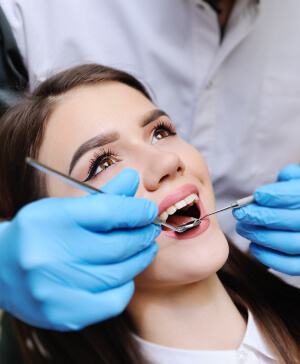
A typical dental check-up may include:
When to Seek Immediate Emergency Care
Visit an emergency room or urgent care facility if you experience:
Timely treatment can help prevent complications and improve outcomes during a dental emergency.
Tips for Maintaining Good Oral Hygiene
Brush Twice Daily:
Brush your teeth for at least two minutes, twice a day, using a fluoride toothpaste and a soft-bristled toothbrush.
Floss Every Day:
Daily flossing helps remove plaque and food particles from areas your toothbrush cannot reach, especially between the teeth and along the gumline.
Use Mouthwash:
An antimicrobial or fluoride mouthwash can help reduce bacteria, strengthen enamel and freshen breath.
Maintain a Healthy Diet:
Limit sugary snacks and beverages and choose a balanced diet rich in fruits, vegetables, dairy products and water to support oral health.
Replace Your Toothbrush Regularly:
Change your toothbrush or electric toothbrush head every 3–4 months, or sooner if the bristles become worn.
Stay Hydrated:
Drinking water throughout the day helps wash away food particles and supports saliva production, which naturally protects teeth.
Avoid Tobacco Products:
Smoking and tobacco use increase the risk of gum disease, tooth discoloration and oral cancer.
Schedule Regular Dental Check-Ups:
Professional cleanings and routine examinations help detect and prevent oral health issues early.